

Introduction to Employee Document Management
If you think about it, HR teams deal with documents almost every single day. Offer letters, ID proofs, salary records, exit papers—it keeps adding up. Over time, managing all this manually becomes difficult to handle.
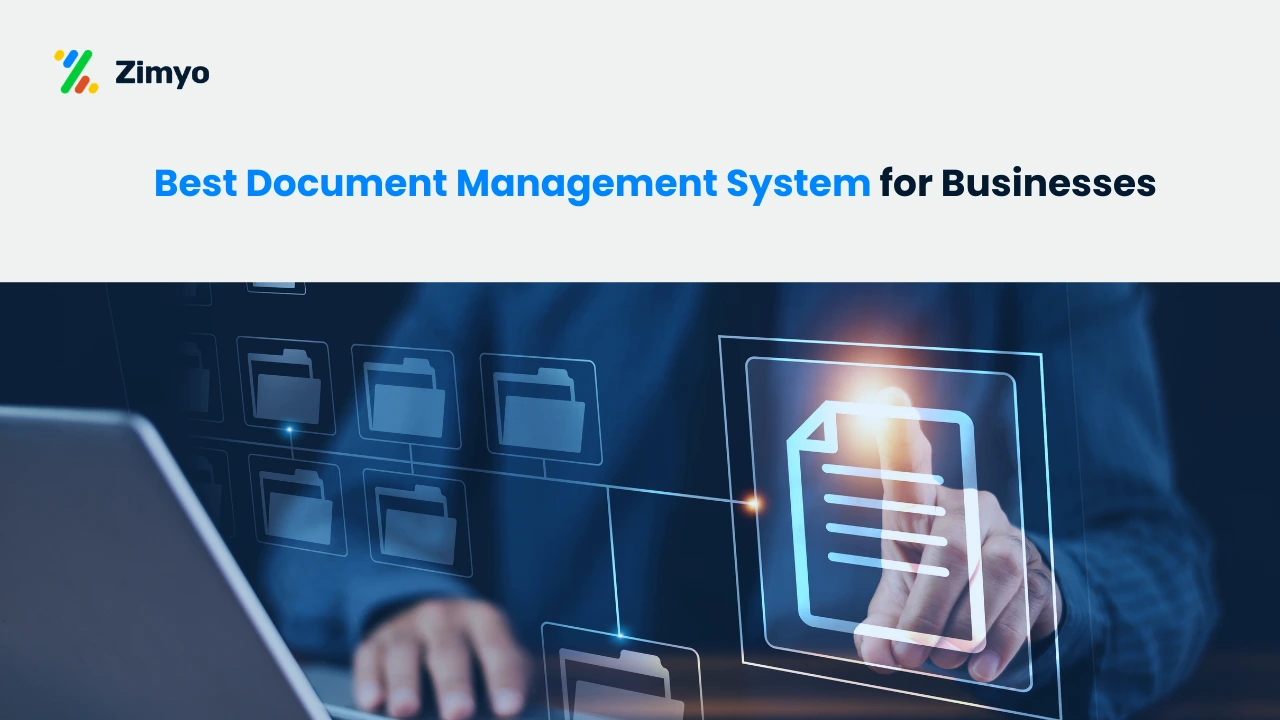
This is exactly where an employee document management system starts making sense. It helps companies keep a proper record of both current and past employees, along with all the documents collected throughout their journey.
Now the bigger concern is not just storing documents—it’s about keeping them safe. These files often include personal and sensitive information, so employee data security becomes equally important. Not everyone should have access to everything.
Honestly, physical storage makes this even harder. Files get misplaced, cabinets overflow, and finding one document in urgency can turn into a long, frustrating task.
That’s why more companies are slowly moving towards a digital document management system. It’s cleaner, faster, and far more reliable. But even then, managing documents isn’t always as smooth as it sounds—there are still challenges involved.
Features of Employee Document Management System
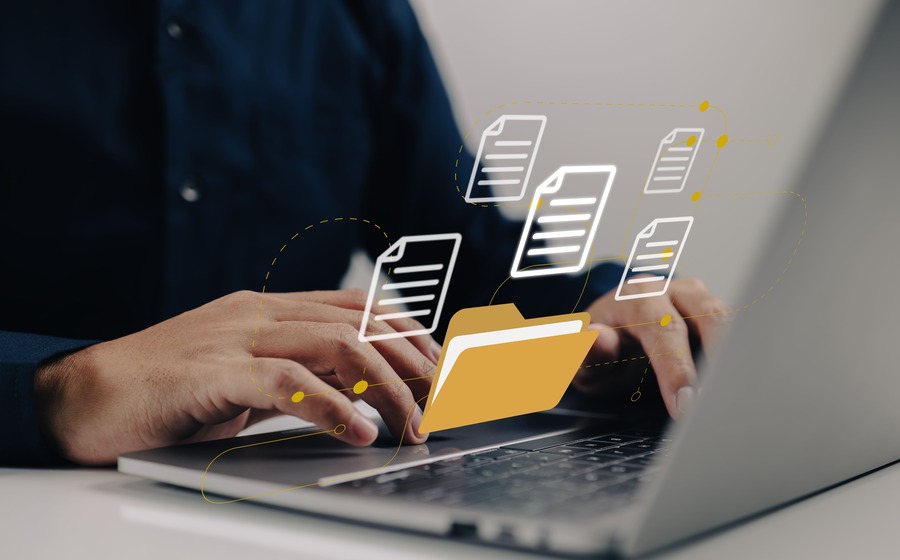
A proper system doesn’t just store documents—it should actually make work easier. Many companies invest in tools, but if the features don’t match real needs, the system ends up underused.
Here are some important features of employee document management system, explained a bit practically:
1. Multiple device friendly
In today’s work setup, people don’t sit in one place anymore. Someone might need a document while working from home, during travel, or even on a quick call.
So, a good HR document management system should work smoothly across devices—laptop, mobile, or tablet. If access is limited, the whole purpose gets defeated.
2. Search feature
Let’s be real—no one has time to manually go through hundreds of files.
A useful employee document management system should allow users to search documents easily. Just typing a name or keyword should bring up results instantly. This one feature alone saves hours of effort over time.
3. Not complicated
Sometimes companies pick tools that are too complex. And then employees avoid using them.
A good document management system for HR should feel simple. No long training, no confusion—just log in and get the work done. If people don’t use it comfortably, it won’t really solve anything.
4. Maximum security
This is probably the most important part. Documents often include salary details, ID proofs, medical records—things that can’t be exposed.
That’s why systems must include role-based access, login protection, and proper compliance management features. It’s not just about safety—it’s also about trust.
5. Document scanning
Uploading documents one by one is honestly tiring, especially during onboarding.
That’s why an employee document management system or a modern HR document management system that allows bulk upload or scanning makes things much faster. HR teams can handle large volumes without wasting time, which is especially helpful for growing companies.
Get a Expert Verified List of Best Document Management System
Benefits of Employee Document Management
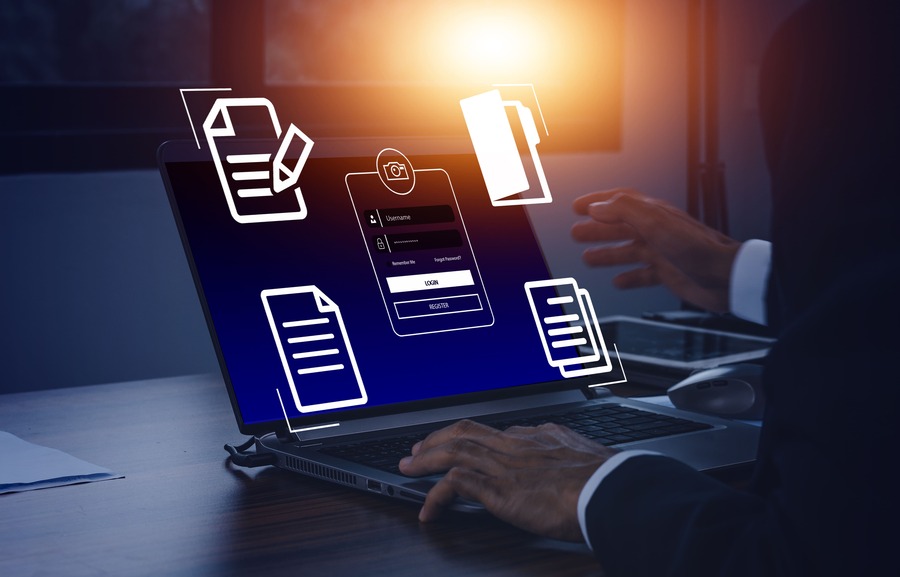
Once a company moves to a more structured setup, the change is quite noticeable. The benefits of document management system in HR are not just limited to systems or processes—they actually make everyday work smoother. Using an employee document management system, teams spend less time managing files and more time focusing on important tasks.
1. Does not take up space
Physical files take up space, and honestly, they just keep increasing with time.
With cloud document storage and an employee document management system, things feel a lot more sorted. You don’t have to deal with cabinets or piles of paper anymore—everything stays in one place and is easy to access when needed. If you want a better idea of how it actually works, you can check out different document management options.
2. Maintain privacy & security
Employers are obliged legally to make sure the data and documents provided by the employee to the company remain safe and secure and do not leak out to anyone.
The documents might consider many personal details of the employee, from the medical record to family information.
An automated digital employee management system possesses numerous features to eliminate security issues.
With robust security features, the documents and records of the employees are kept safe and sound, building employees’ trust in the company as well.
3. Boosts productivity
HR managers constantly require the records of the candidates and employees to carry with their work. Having a digitalized employee document management system ensures centralized availability of all the records, making them fully accessible to the HR managers, boosting their productivity, and saving time they might have wasted while looking for a piece of paper piled up on a shelf, unstructured.
4. Eliminates risk of loss in unforeseen circumstances
Imagine a situation like a fire or flood, and all your important employee files are stored in one room. Chances are, most of those documents won’t survive. That’s where switching to a digital document management system or an employee document management system actually helps.
With everything stored digitally, you can create backups and keep your records safe. Even if something unexpected happens, your data stays secure and doesn’t get lost permanently.
Challenges of Employee Document Management
Even today, many companies struggle with document management—especially when processes are not fully digitized.
1. Paper challenge in document management
A large number of documents are handled by the HR team, and managing them with proper security and privacy is not always easy. These files often include sensitive details like payroll data and other employee records that are not meant to be shared openly. This is where having an employee document management system or a reliable HR document management system becomes important.
When everything is handled on paper, document management becomes more prone to errors, misplacement, and other risks that are hard to control.
2. Time consuming
Manual documentation takes longer than expected. From collecting documents to sharing them internally, everything involves multiple steps.
This is why many companies are now shifting to HR document management software India to simplify these processes.
3. Security
A lot of documents contain information that is to be kept confidential and secure. If documentation is done on paper or in physical mode, it has no double-factor authentication or virtual cover to save the information from getting leaked.
4. Editing challenge
If stored on paper, the information is not editable. You have to reprint the entire document in order to make even a tiny change. This is not only a waste of resources but also harmful to the environment.
5. Confusion between old and updated document
With paper, continuous edits, and uncountable reprints, it becomes challenging to identify which copy is recently updated and which is old, causing confusion among the managers and employees.
6. Accessibility issue
If any document is needed on an urgent basis, it can be easily found digitally, but you would’ve to go through uncountable papers, eating up a lot of time to finally find the document you were looking for.
To avoid these challenges, in the growing modern world, companies are inclined towards a digitized form of storing and managing their employee’s documents, from beginning to end, everything stacked up under their name, an easily accessible, chaos-free, time-saving method.
A Small Shift That Makes a Big Difference
Sometimes, it’s not about adding more tools—it’s about fixing what slows things down.
Moving from physical records to employee document management software India is one such shift. It doesn’t just organize documents—it changes how HR teams work daily.
Less dependency, fewer delays, and better clarity.
Why Modern HR Teams Are Moving Towards Digital Systems
There’s a clear shift happening.
More companies are adopting digital systems not just for convenience, but because manual processes don’t scale well anymore. As teams grow, managing documents without a structured system becomes risky.
With better compliance management, improved access, and built-in security, digital tools are slowly becoming a standard rather than an option.
Wrapping Up
If you’ve worked with HR teams, you’d know this—most problems don’t come from the work itself, but from how things are managed. Documents keep piling up, some are on email, some in folders, and finding the right file at the right time becomes a task in itself.
That’s where an employee document management system starts to make sense. It brings everything into one place so you’re not constantly searching or following up. Things just feel a bit more sorted.
With a proper HR document management system, even small tasks like checking a record or sharing a document take less time. It’s not a huge change, but it does make daily work smoother.
There’s also the security side. Employee files often include sensitive information, so having basic employee data security in place is important. It also helps with compliance management, especially when records need to be checked or updated.
And honestly, accessibility matters too. With cloud document storage, documents are available whenever needed—no waiting, no dependency on one system or person.
Tools like Zimyo are built around keeping this simple—so managing documents doesn’t feel like extra work.
At some point, manual handling just stops working as teams grow. Moving to a digital document management system or using employee document management software India options becomes a practical step rather than a big decision.
In the end, it’s just about making everyday HR work a little easier and more manageable.
Why is document management important in HR?
Document management is important in HR because it keeps employee records organized, secure, and easy to access. It also helps reduce errors, saves time, and supports better compliance with company policies and legal requirements.
What are the key features of an HR document management system?
Some common features include secure document storage, search functionality, role-based access, cloud access, and bulk upload options. These features help HR teams manage documents more efficiently without manual effort.
How does an employee document management system improve HR efficiency?
It reduces time spent on searching and handling paperwork by keeping everything in one place. With faster access, better organization, and automation, HR teams can focus more on strategic tasks instead of routine admin work.
How does Zimyo help with employee document management?
Zimyo offers a built-in employee document management system that allows HR teams to store, organize, and access all employee records in one place. It simplifies document handling with secure storage, easy search, and controlled access, making everyday HR tasks faster and more manageable.